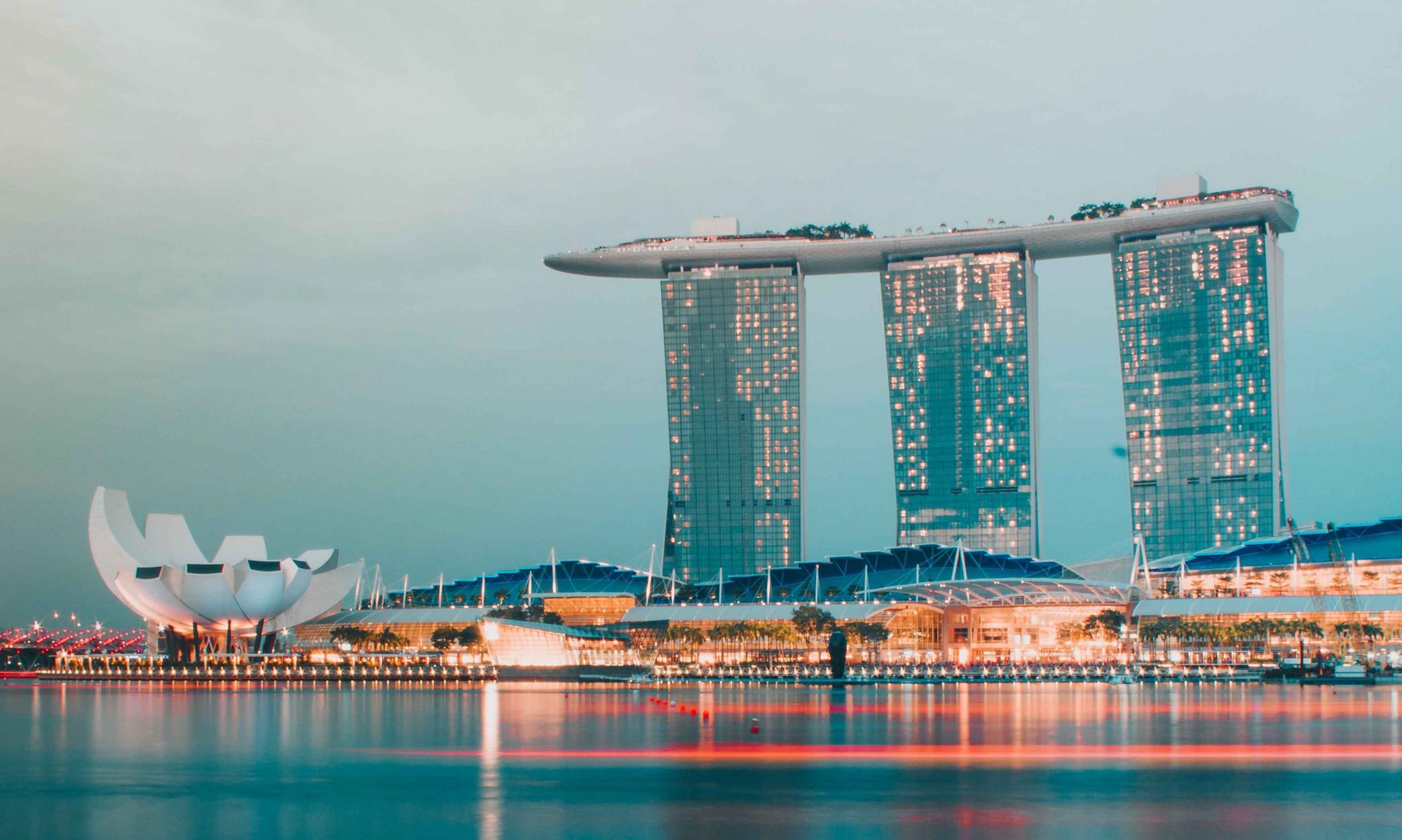


Singapore has established itself as a thriving hub for innovation, attracting foreign investment from around the world. With its strategic location, strong infrastructure, and supportive business ecosystem, the city-state has been successful in fostering groundbreaking innovations across various sectors. In this article, we will explore some of the leading innovations in Singapore that have been instrumental in attracting foreign investment.
1. Smart Nation Initiative
At the forefront of Singapore’s innovation drive is the Smart Nation Initiative. This government-led initiative aims to harness technology and data to improve the quality of life for citizens and enhance the efficiency of various sectors. The development of smart infrastructure, digital services, and initiatives like the National Digital Identity and Smart Mobility have positioned Singapore as a global leader in smart city solutions. Foreign investors are drawn to the opportunities presented by Singapore’s advanced digital infrastructure and its potential for creating innovative solutions.
2. Biomedical Sciences and Healthcare
Singapore has made significant strides in the biomedical sciences and healthcare sector. The establishment of research institutes, biomedical parks, and partnerships with leading global pharmaceutical companies have created a conducive environment for innovation. The Biopolis and the upcoming Health City Novena serve as hubs for research, development, and commercialization of biomedical technologies. The availability of world-class research facilities, a strong talent pool, and supportive government policies have attracted foreign investors seeking to capitalize on Singapore’s expertise in precision medicine, medical technology, and digital health.
3. FinTech and Financial Services
Singapore has emerged as a prominent FinTech hub in Asia, attracting foreign investment in the financial services sector. The Monetary Authority of Singapore (MAS) has implemented progressive regulatory frameworks, including the FinTech Regulatory Sandbox, to facilitate experimentation and innovation in the financial industry. The establishment of innovation labs, accelerators, and FinTech-focused initiatives like the Singapore FinTech Festival have further bolstered the ecosystem. Foreign investors are enticed by the opportunity to tap into Singapore’s robust financial infrastructure, strong regulatory environment, and access to a diverse and tech-savvy consumer base.
4. Advanced Manufacturing and Robotics
Singapore has embraced advanced manufacturing and robotics as key drivers of economic growth. The development of initiatives like the Advanced Remanufacturing and Technology Centre (ARTC) and the Advanced Manufacturing Training Academy (AMTA) has fostered innovation in areas such as additive manufacturing, robotics, and automation. Singapore’s focus on research and development, coupled with its strong intellectual property protection, has attracted foreign investors looking to leverage the city-state’s expertise in manufacturing excellence and automation technologies.
5. Sustainable Solutions and Clean Energy
As sustainability becomes a global priority, Singapore has positioned itself as a hub for sustainable solutions and clean energy innovations. The Sustainable Singapore Blueprint and initiatives like the Singapore Green Plan 2030 demonstrate the city-state’s commitment to environmental sustainability. Singapore is investing in research and development of renewable energy technologies, waste management solutions, and sustainable urban planning. Foreign investors are drawn to Singapore’s commitment to sustainability, favorable regulatory environment, and opportunities for collaboration in developing innovative clean energy solutions.
Singapore’s leading innovations across various sectors have played a significant role in attracting foreign investment. The city-state’s commitment to creating a conducive environment for research and development, strong government support, and advanced infrastructure have positioned it as an attractive destination for innovation-driven enterprises. As Singapore continues to foster groundbreaking advancements in areas such as smart cities, healthcare, FinTech, advanced manufacturing, and sustainability, foreign investors can look forward to a wealth of opportunities to collaborate and grow their businesses in this innovation hub of Asia.